
In many hygiene, medical, and industrial settings, cheap plastic alcohol bottles provide a cost-effective packaging solution without compromising basic safety and usability. These containers are designed to store disinfectants, hand sanitizers, or ethanol-based products in large volumes or for distribution at scale — where minimizing per-unit cost is critical.
Why Choose Low-Cost Options?
When producing or distributing products with tight margins, packaging costs can tilt profitability significantly. Cheap plastic bottles reduce material and transport expenses due to their lightweight nature. In comparison to glass, plastic containers are cheaper to produce and ship, offering economic advantages especially for high-volume uses.
Berlin Packaging APAC
These affordable options allow makers of sanitation products, cleaning agents, or industrial alcohol solutions to reach broader markets or keep prices competitive.
Materials & Suitability
Not all inexpensive plastics are suitable for alcohol. The best affordable bottles use PET (Polyethylene Terephthalate) or HDPE (High-Density Polyethylene) — materials that resist damage, containaminants, and are able to tolerate ethanol or isopropyl alcohol without degrading too quickly.
While cheaper polymers or blends might seem tempting, they may leach, discolor, or fail under high alcohol concentration or over time. Users may find “cheaper” bottles that are fine for isopropanol for disinfecting — less demanding than food-grade or pharmaceutical uses — but not all plastics can safely hold potent alcohols.
Reddit
Key Design Features to Keep Even in Budget Options
To make a cheap plastic alcohol bottle viable, manufacturers and buyers should still demand:
- Secure closures (screw caps, flip tops) to limit evaporation
- Wall thickness sufficient to avoid warping or puncture
Learn more: custom printed shampoo bottles
- Food-contact or approved resin grade to reduce risk of contamination
- Consistent molding and leak testing to ensure reliability
- Even low-cost packaging must meet minimal standards to protect contents and maintain safety.
Common Uses for Budget Alcohol Bottles
Cheap plastic bottles for alcohol are often used in:
- Bulk or institutional sanitizers (schools, factories, clinics)
- Cleaning or industrial solutions (where appearance is less critical)
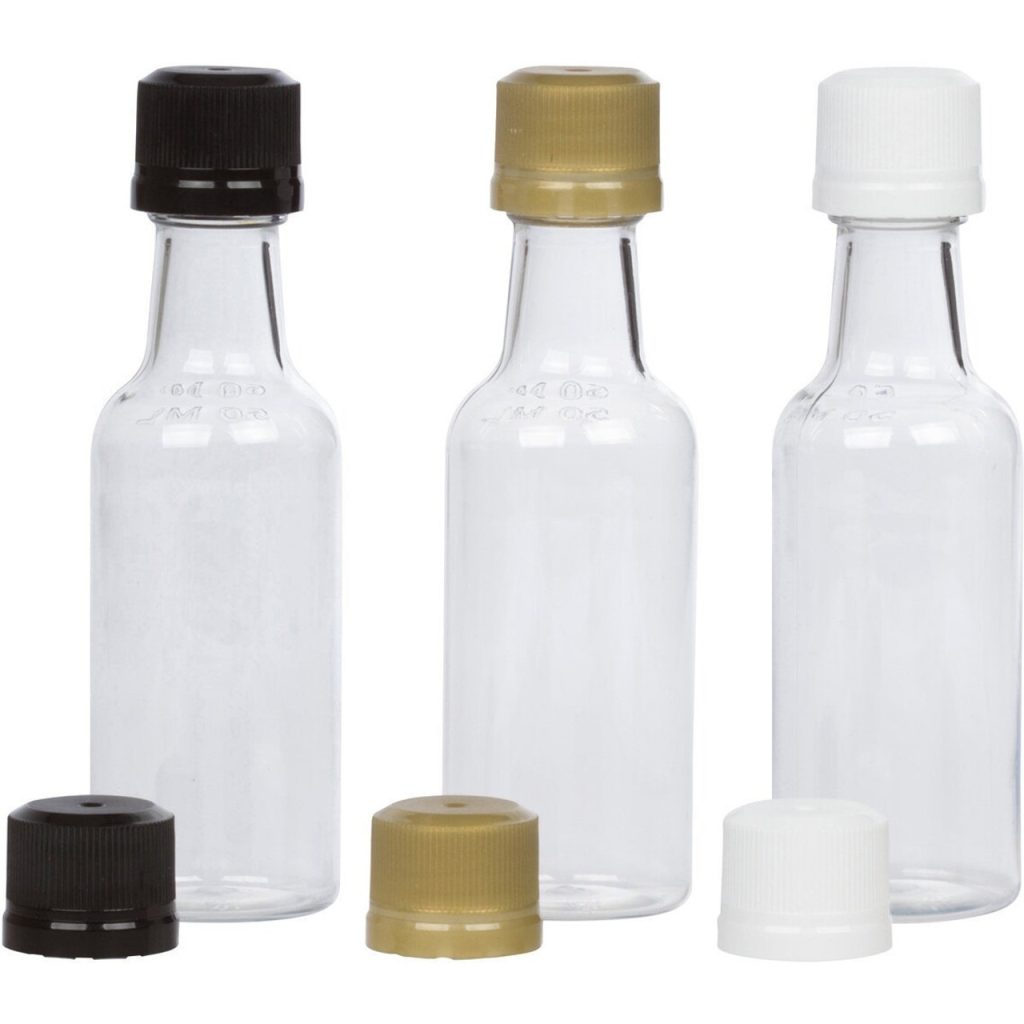
- Travel-size or giveaway bottles where cost per piece must be ultra-low
- Products where shelf life is short and packaging longevity is less critical
They are less commonly suited for premium personal-care or pharmaceutical uses where clarity, branding, and longer shelf stability matter.
Risks and Trade-offs
Going for a lower-cost bottle typically means trade-offs:
- Lower barrier properties → faster evaporation or ingress of contaminants
- Reduced durability under rough handling or transport
- Lower visual quality (cloudiness, mold lines, color variation)
- Potential leachables/extractables issues if non-certified resins are used
- Therefore, testing and sampling are essential before large purchases.
Refer to : cosmetic packaging bottles
Tips for Sourcing Cheap but Reliable Bottles
- Ask for material certification (resin grade, FDA/equivalent)
- Request sample batches and conduct leak / substance compatibility tests
- Negotiate bulk discounts or tiered pricing
- Work with factories that provide quality control assurances
- Prefer molds that have been proven rather than new untested designs
- These steps help prevent costly failures and product rework down the line.
Cheap plastic alcohol bottles offer the perfect balance between cost efficiency and dependable quality.
They are lightweight, durable, and resistant to alcohol-based formulas — making them suitable for sanitizers, disinfectants, and medical use.